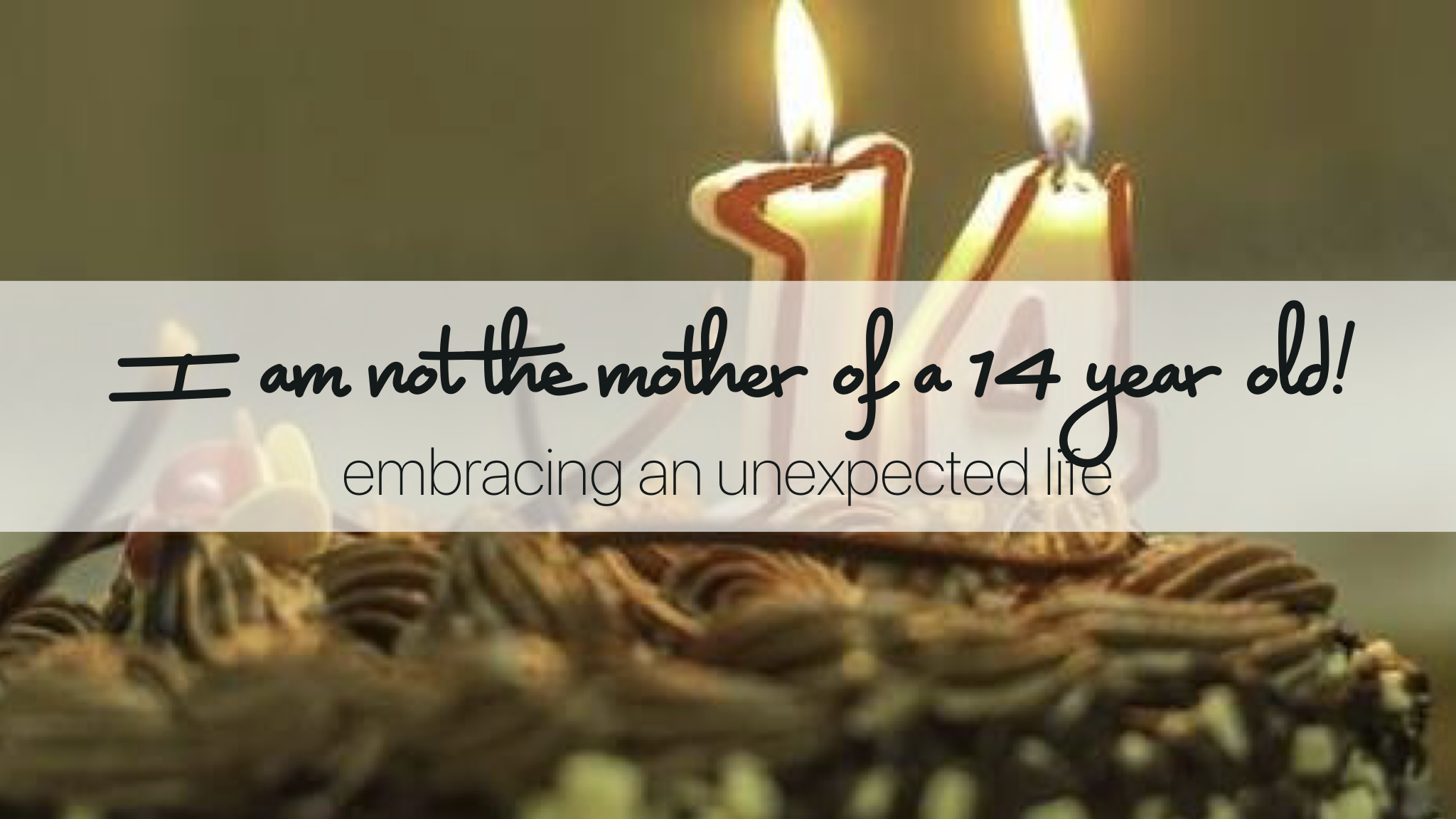
I am not the mother of a 14 year old 


February 9th was my due date.

Babies are rarely born on their due date but when a baby doesn’t make it to full term, the due date is the only one there is.

If mine was a different story, my baby would be 14 years old today. Within that there is grief to process (read here) and questions still unanswered (read here) but I can’t help but pause to think how different my life would be if I were the Mum of a teenager.

Of course it’s all speculation, but with what I can imagine my life could be so very different. My day to day schedule could be different, Work life, friendships, social activities, priorities; heart focus. I might drive a different car or live in a different house. I might have less money in the bank, more shoes at the door, a higher turn over of food in my fridge. Those of you with children could list indefinitely the way my life might be changed by the presence of a child – right now and for the 14 years before.

It’s one of those “sliding doors” moments. You know the film where they track the parallel stories of a train missed or made and the different outcomes of each.

The “what if” game can be fun (or painful) to play. Imagining the outcomes of a decision made differently, a relationship ended or started, a job gained or lost, a different path chosen, 5 mins earlier or later, a different family, the near misses and the close calls. Some of them we’re glad to have avoided but others we regret and reflect on with longing and grief.

It’s almost impossible to imagine all the impacts of a baby in my situation. It might’ve meant a different relational status, living in a different State, a different career and job (and all the implications of that), I’d probably not have written a book and experienced the opportunities that have opened up because of it …you might not be reading this blog.

So today, I am not the mother of a 14 year old and all the implications of that. But I AM so many other things. The mental gymnastics of the “what if” can be fun but also painful. They can lead us to celebration of who we are and all we have or can cause us to be stuck in the pain of missing out or the negative spiral of comparison.

What about you? How do you handle your “sliding door” moments?

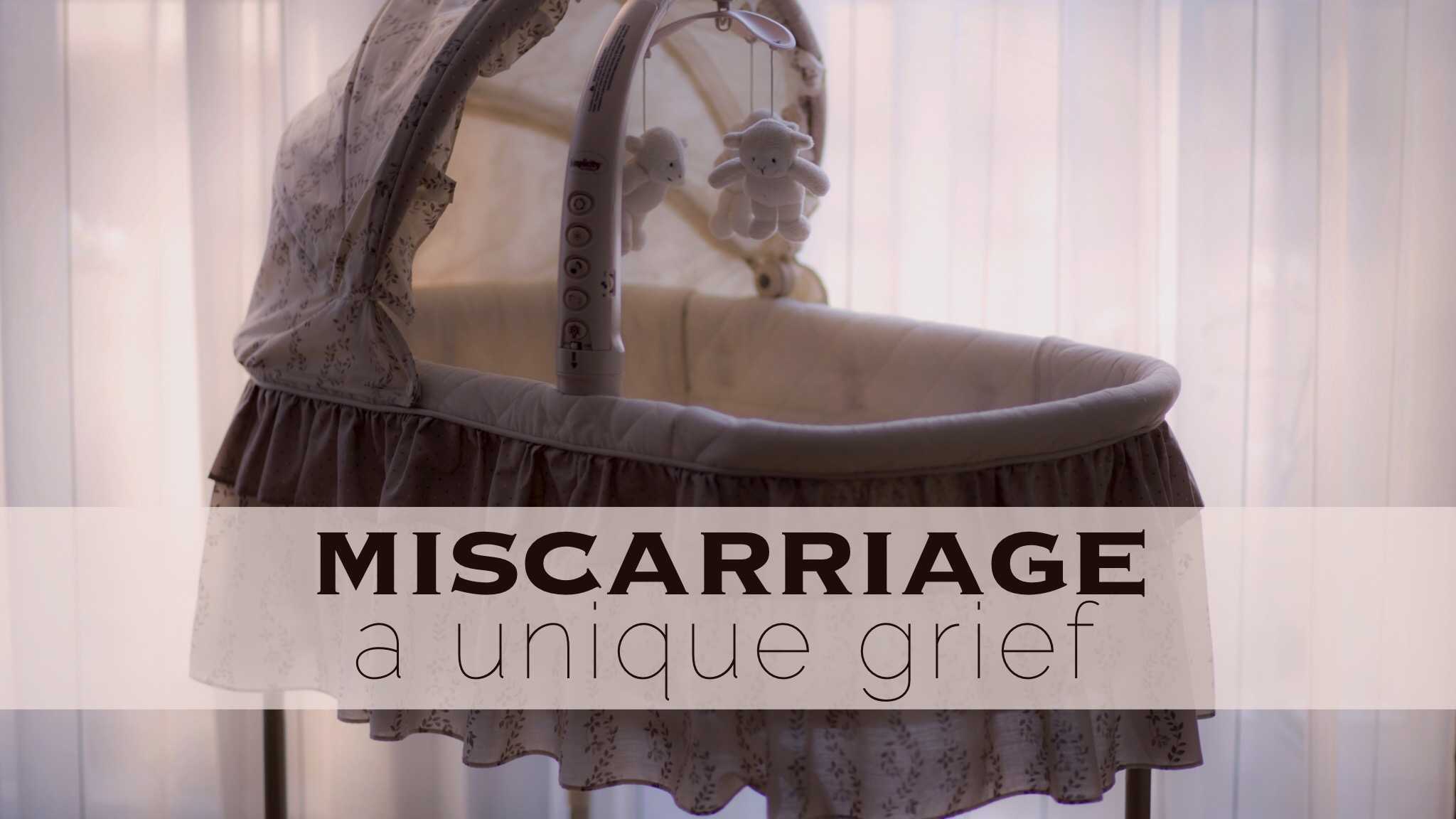
miscarriage – a unique grief


If you’ve ever had a miscarriage, or intimately known someone who has, you’ll know it brings a unique type of grief. 

Discovering you’re pregnant is a giddying experience. The combination of hormones and hope; anticipation and mild panic brings a range of emotions and there’s a sudden rush to a reimagining of your future from that moment forward. In 9 months I’ll be a mother, in 6 years I’ll be a school mum, in 14 years I’ll have a teenager, in 20+ years I might have raised the next Prime Minister or the scientist who’ll cure cancer or a heart that will embrace the broken and the marginalised; or my best friend. 

The early stages of pregnancy do strange things to your body – growing a tiny human will do that. For me, it meant nausea that reduced my appetite – turning me into a perpetual grazer and a weariness that settled on me and wouldn’t shake no matter how much I rested or slept. 

The news of a miscarriage is so clinical. It’s just a black blob on the ultrasound. The potential for life has ended. Almost as quickly as possibility has been conceived it is dead. The whiplash of emotions can be profound. (read more here)

If you listen to the stories of miscarriage the grief is often marked by an isolation or loneliness. So often both the pregnancy and miscarriage happen even before an announcement is made and so it is intensely private. Many times the celebrations and excitement have been held within a tight circle of family and friends – heeding popular advice to wait until the first trimester is reached and the chances of the pregnancy reaching full term become greater. But these things can contribute to others not engaging as personally in the loss when they haven’t had opportunity to connect with the joy and potential. 

For some, like me, the oft assured temporary ‘set back’ of loss – waiting for new timing, second chances – turns into long term childlessness. The miscarriage becomes a brief flirtation with the experience of parenthood. A promise whispered, but silenced. 

For others who are fortunate to conceive again and meet their little one – the grief mingles strangely with joy. Perhaps due dates are forgotten as birth dates get celebrated. Perhaps there is a struggle to hold the public celebration of new life in tension with the seeming disregard for lost life. One so much more tangible than the other. 

When I reflect on my own journey and hear the stories of others’ I am struck by the common thread of unspoken or forgotten grief. I am constantly surprised by the eagerness to share their experience, to speak of the loss, to name their expectations, to recall the deep sadness; to question and doubt. So many words waiting to find ears and hearts to land on. 

So I’m led again to share these thoughts and ponderings. Maybe they spark a familiar feeling. Maybe they serve as an invitation. Maybe they touch an ache harboured deeply in a heart. Maybe they serve as unknowing preparation. Maybe they help. 

becoming more patient | #3 being others focussed

Have you ever had those moments when you’re pretty sure everybody around you is just trying to annoy you?

Everyone is driving slowly when you’re in a hurry. People are walking the aisles of shopping centres like they’re balls in a pin-ball machine, making it impossible to get around them. The person at the petrol pump in front of you decides now is the time to clean their windscreen back to showroom condition. The clerk processing your payment at the post office reminds you of the sloths from the movie Zootopia (check it out, great movie). Your child is attempting a world record for longest time taken to eat a bowl of cereal. Your teenager is on their third trip back into the house to get something they forgot and can’t leave without. Your work mates are reaching new heights of meeting-hijacking abilities.

Of course you have those moments, sometimes many of them in succession. We all do. If you were getting anywhere with this whole ‘becoming more patient’ idea then these are the moments that are set to derail you … big time!

Patience is the act of waiting well. It’s the ability to endure set backs and challenges without becoming anxious or irritated. Patience is indeed a virtue and one that is tested on a regular basis.

In our efforts to become more patient we’ve noted the need to take  a big picture perspective – to step back and see things in their broader context. We’ve looked at the idea of planning in order to be more patience – choosing  wisdom over reaction. And we also need to keep an important truth in mind … it’s not actually all about you!

It turns out not everyone is intentionally plotting ways to make your life miserable – even though it might seem like it. The slow driver in front of you probably has no idea you’re there. The dude at the petrol station is more worried about his windscreen than you. Your teenager is probably just forgetful or distracted. There is not, despite the seeming appearance to the contrary, a concerted focus on the part of all the people in your world to make life miserable for you.

And this makes perfect sense as you read it. But in those moments, so much of our irritation is borne out of a sense of focus on ourselves that causes us to see everything as a deliberate mission to make us frustrated.

It’s not all about you!

Next time you find yourself impatient with the actions or in-actions of another person, pause and take a moment to consider the situation from their perspective. “I wonder if that slow driver is lost, or a learner, or experiencing anxiety or dealing with a crying baby in the back seat.” “I wonder if this sales assistant is new to the job or tired from a full day of work.” “I wonder if my teenager is trying to keep too many things in their mind, or is worried about something; or is hormonal.”

Such a thought process changes nothing of the circumstances. You’re still going to be impeded or impacted by the other person’s behaviour in some way. But patience isn’t about not waiting it’s about waiting well. And when we shift the focus from ourselves we release something of the anxiety and irritation and replace it with empathy or compassion.

What might that look like for you? How might taking the focus of yourself cause you to be more patient with others?


Read more –

Part 1 – big picture perspective

Part 2 – wisdom over reaction

disciplines of gratitude


For the last few years I’ve kept a “thankfulness jar”. 


The last thing I do each night before getting into bed is to pause and write a couple of sentences of gratitude for something that happened during the day. 

Some days it is really easy. I list off fun activities, great Ministry moments, joyful interactions with friends & family, experiences of wonder, tasks accomplished or things learned. 

Some days are harder. When I’ve been sick, when work has been hard, when I’ve spent the day alone; when my heart is burdened, these are the days I want to get into bed as fast as I can to bring them to an end! 

However, when I stand before the small piece of paper with a pen in hand, looking at an ever-filling jar of other moments of gratitude, I never fail to find something to write. 

Sometimes I’m just thankful that tomorrow is another day and another chance to do better. Sometimes I’m thankful that those days that are hard are offset by many days of joy and hope. Sometimes I’m thankful for specific people who God brings across my path to bless, inspire, encourage and support me. Sometimes I’m thankful for stewed apricots or a house full of people or God’s grace or a great movie I’ve watched or sore cheeks from laughing or new stationery or a new experience …the list is as diverse as it is endless. 

The discipline of gratitude is a necessary part of grounding my heart and mind in the truth – particularly when I am weary or despairing. It resets my internal dialogue – interrupting any negative thought track by forcing me to consider something positive. 

In moments of celebration and joy this discipline draws the attention of my heart to reflect on the source of those blessings, growing my faith and deepening my trust. 

What about you? Do you have any practices of gratitude that you regularly do? Maybe a daily discipline like this could be a place to start?

when porn is the ‘other woman’


Pornography is insidiously addictive and destructive. Whilst it holds almost no resemblance to true intimacy (read more –5 lies porn tells) it engages the hearts and minds of men and women and distorts a person’s own sexuality. It leads to sexual dysfunction and relational breakdown. 

Given that almost 100% of boys have seen porn before they reach adulthood the reality for all couples is that porn will be an issue to address. It is a wrestle most men (and many women) will be entrapped in – addiction is rife. 

For the wife of a porn using man it is a hurtful and difficult path to walk. 

Porn feels like rejection. 

For a woman, it feels like a man’s choice to use porn is a competition that she has lost. Between the real life her and the on screen performer, the performer has won. This speaks inadequacy and inferiority into her heart from the person she is most vulnerable to.

Porn feels like unfaithfulness. 

Anyone who steals the affections, attentions and desire of one’s husband is the ‘other woman’. It is hard for a wife to not feel betrayed by the breach of the intimacy of the marriage bed to include other images, acts and preferences beyond that which has been explored and experienced together. 

Porn feels like the standard. 

Women whose husbands use porn know that what they watch is appealing to them. Rather than the wife being the standard of beauty, attractiveness and fulfilment a highly produced, orchestrated and edited image becomes the new standard. One to which no woman could possibly attain. 

Porn diminishes sexual appetite. 

Increasingly younger men are reporting decreased or dysfunctional sexual drive and capacity for arousal. This means some relationships are failing in terms of intimacy before they’ve even begun. The joy of sexual exploration and discovery together is usurped by a counterfeit experience. 

Porn is not harmless. Porn impacts those who view it and those seeking intimacy with them.

See Fight the New Drug’s “Fortify” program http://fightthenewdrug.org/get-help/ for help in getting freedom from porn addiction. Don’t do it alone. 

If you are an impacted partner of a porn user reach out to talk to someone to help you navigate what you’re experiencing. Don’t do it alone. 

becoming more patient | #1 a big picture perspective 

On the scale of zero to ‘please don’t make me wait for anything, ever’ – how patient are you? How patient would others say you are?

Patience is defined as

the capacity to accept or tolerate delay, problems, or suffering without becoming annoyed or anxious

Waiting is not patience. Patience is about how you wait. Experiencing delays, problems and suffering doesn’t mean you’re a patient person – because we all experience those – the attitude with which you journey them is the determiner of patience. Doing things for a long time doesn’t mean you’re patient – it just means you’ve done things for a long time! Doing things without becoming annoyed or anxious is the key characteristic of patience. Our attitude, our grace, our tolerance, our peace and calm, our lack of reactivity, our persistence – these are all indicators of our degree of patience.

Relationships are where, simultaneously, our patience can be so profoundly tested and also where our patience is so intensely required. Impatient people make for unpleasant work colleagues, parents, partners and friends. Impatience expressed through frustration, snappiness, aggression, huffing and puffing or irritating repetitiveness (‘are we there yet?’) are killers of healthy relationships.

We all need to become more patient for our relationships to be positive and enjoyable.

As a quick thinker, speaker, mover, responder and decider, I constantly wrestle with impatience. I want everyone to move at my pace and sometimes do poorly at managing the lag time between when I get something and when others do … seriously, hurry up already!!!

TIP #1 – WE NEED A BIG PICTURE PERSPECTIVE! 

Often our impatience comes from being way too caught up in the moment to understand its significance (or lack of) in the big picture.

Like aggressively racing around someone in traffic only to be stopped beside the same car at the next traffic light. In the big picture of a trip to work, that car going a bit slower isn’t actually going to make us late. But our frustration in the moment can cause us to act irrationally or become unnecessarily emotional (and potentially make unsafe choices).

When children are learning to tie their shoe laces parents or teachers can become frustrated by the need to do it – ‘when are you going to get this yourself!?’. But there aren’t many adults who still need their parents or work mates to tie their shoes. They do get it. Keeping that in mind helps us to be more tolerant in the moment. This won’t be forever – even if it feels like it will.

So much of our intolerance and impatience is related to growth. We want others to get what we get; to know what we know and think like we think and respond like we do. But, often, they don’t have the same knowledge, wisdom, emotional maturity, life experience, perspective or skills and so are unable to respond the same way we would until they do.

When we zoom out our focus to see the big picture it grows our empathy and changes how we gauge others’ actions. Keeping the end in mind can drastically increase our grace, compassion and understanding in the now.

What do you think? How would keeping the big picture in mind shift your ability to be more tolerant and patient in your relationships?

Read more

Part 2 – wisdom over reaction

Part 3 – being others focussed

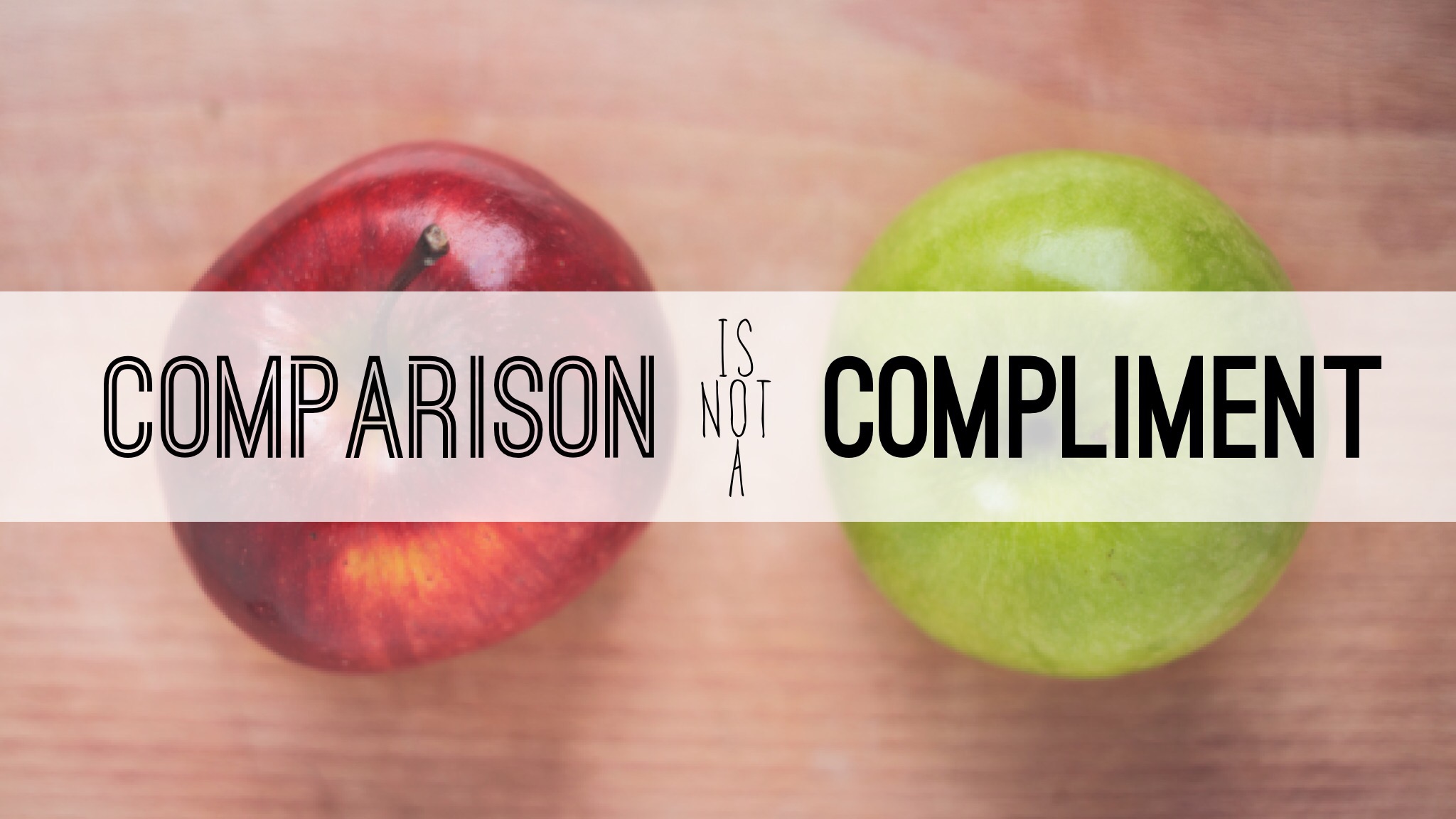
comparison is not a compliment


“You are so much better than my other hairdresser.” “I like your sermons much more than my previous Pastor’s.” “This chicken tastes better than what I make.”

These comments, and others like it, represent one way we try to compliment others that is sometimes not that complimentary at all. Comparison.

Comparison – by definition – is putting two things side by side and assessing them in relation to one another.

We do it when we’re shopping for apples, cars or schools. We do it when we are determining best value for money on insurance policies and home loans. This one is bigger, faster, fresher, or cheaper. This one has more included or provides greater flexibility. Based on what we value most we make a choice between the two (or several).

There are a number of reasons comparison as a means of encouragement can be deficient.

  1. The thing you’re comparing to might be rubbish and so it may not be complimentary at all. “Your choc chip cookies are so much better than my mum’s (… which are so rock hard I’ve chipped three teeth!)”. In this case, you’re essentially saying “Congratulations, your cookies are edible!” That’s a low bar to jump. Without a quantifiable measurement of the person or skill you’re being compared to, it lacks the substance to bring the encouragement we would hope. 
  2. You communicate that the focus of our striving ought to be on outdoing others rather than doing our own best. “You are such a great runner, you ran faster than Johnny …(who is 84 and has had 2 hip replacements).” Again, hardly a high bar to clear and probably not the goal an athlete has in mind when they hit the track. Our encouragement should never be to be better than anyone other than ourselves. Even comparison to the most elite in any field can become inadequate if our best would call us beyond that or to a different expression. 
  3. We call the recipient of our praise to pride. “Give yourself a pat on the back, you did better than the other guy!” Again, without any reference to how we’ve gone in relation to our own capacity, growth or expectations, we are drawn to consider our own performance in light of another and find significance in that difference. Developing any sense of superiority should never be the goal of encouragement. 

Complimenting by comparison doesn’t edify the person being complimented or the person or thing they’re being compared to. Encouragement that builds up and feedback that empowers should stand alone. 

These cookies are delicious – full stop. You did a great job – that’s all. Your efforts were amazing – the end. 

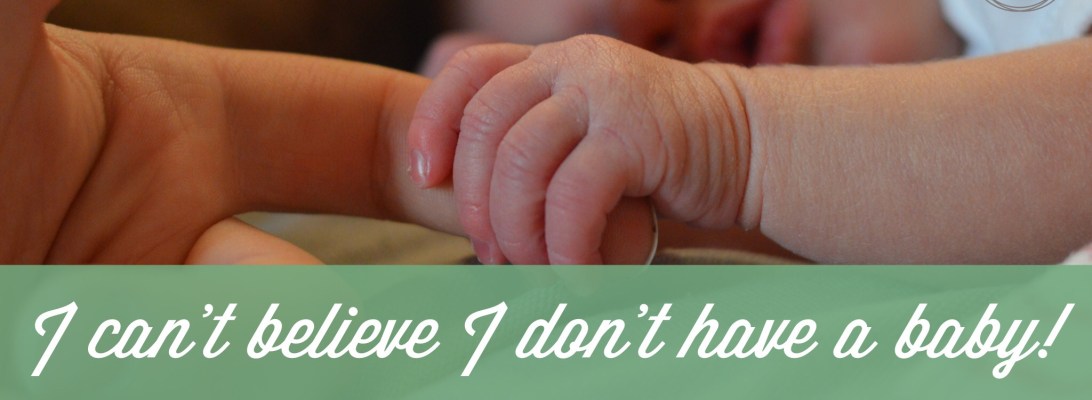
I can’t believe I don’t have a baby 


I’m over 40 and I’m Single and childless …and I just can’t believe it. 

Sometimes I am hopeful that might change, sometimes I’m quite at peace and content if it doesn’t, sometimes I’m overwhelmed with the grief and sadness of it – but mostly, I just can’t believe it. 

I just can’t understand how this is the way my life has gone! All I’ve ever wanted to be is a wife and mother. Instead, I continue to experience so many other amazing things that I didn’t expect, or even imagine would be part of my life. I have so many other roles – a friend, an Aunty, a Pastor, an author, a speaker, a leader, a traveller – I love so much about my life. But I just can’t believe I’m not a mum. 

I love babies. I love children. They seem to love me (well most of them). They run to give me hugs, they fall asleep in my arms; they each have their special nicknames, hugs and traditions. I have a well-developed ability to sleep literally anywhere (including standing up – true story) at any time which I am sure would be a handy skill to have as a sleep-deprived new mum. I have a full heart and an empty home.

I am supremely confident of God’s nearness and His love. He leads me, He defends me, He grows me in wisdom and in His grace. He comforts me. He blesses me abundantly. While I completely trust His plans and purposes for my life, I don’t completely understand them. I’m sure He knows what I long for. 

I can’t believe I don’t have a baby. 

My Singleness doesn’t feel like it has an end date. I can marry at any time – and I hold the deep hope that I will on an open hand. There’s a biological reality to my capacity to conceive and carry a child on which the window is rapidly closing, or may have already closed. 

I can’t believe I’m not a mum. 

I think it’s okay to say that out loud. I feel like it’s healthy to express that in context to a greater sense of contentment and peace. Because the sense of disbelief is actually the feeling that rises most regularly. Sometimes it’s so strong it physically arrests me and I literally stop what I’m doing and shake my head – I’m sure I have a confused expression on my face. 

And then? Well, then I take the next step forward into whatever else is happening and whatever else is coming. 

camps are the best!!


When I was 7 years old I made my own response to Jesus at a camp. Mum & Dad were Camp Parents at a teen camp which meant I got to tag along and I can still recall many details of the moment when I was touched by Jesus in a personal, powerful way. 

Camps were a significant part of my faith journey as a youth. I lived in a small country town where only a handful of teens were part of my church. It was incredibly important for me to connect with a broader network of Jesus followers to ground and inspire my faith as I navigated my teen years. 25 years later some of the people I met at those camps are some of my closest friends and key players in my continuing God-story. 

As a Youth Pastor I have seen and championed the value of camping to the discipleship of young people. There are many reasons for their value but I think among the most impactful is the intentional setting aside of time and attention to make oneself open to the plans and purposes of God. 

There’s a new environment – a beach, a mountain, a view – at the end of a physical trip that marks a disconnecting from the routine, familiarity and comfort of home. There’s the need to sign up, save up and plan towards it that builds expectancy for what might happen. There is a new community created for the set time – relationships started and built in that set apart environment. There’s the worship and teaching sessions on a Saturday or Tuesday morning – normal “Sunday” activities engaged in a new way at a new time. There’s a leadership team who have been gearing up for this and are prayerful and hopeful for real God encounters and transformation – giving of their time and money to create an opportunity for young people to experience all that God has for them. 

Research points to camps as being a major contributing factor for faith retention and development. 


Critics of camps will point to the concern that camps generate an artificial spiritual ‘high’. They might observe behaviour afterwards and question whether or not that experience was authentic. I have ridden that wave as both a camper and leader. My belief is that ANY encounter with God is used by Him to draw us closer to Him. We don’t ever return to the same kind of ‘normal’; what we learnt is not un-learnt. The discipleship journey for everyone – particularly young people – is a series of steps and missteps as our faith increases and our personal story of God expands. 

I can’t recommend camps highly enough. The research is in. The testimonies are strong. The investment of time and money is worth the reward it reaps. 

What about you? How have camps been part of your faith journey? What involvement have you had in seeing camps impact others? What resources have you found to make camps most effective?